▸ LIQUIDITYSCAN RESEARCH
The Blog
Institutional analysis for ICT and Smart Money traders — order flow, liquidity, structural patterns.
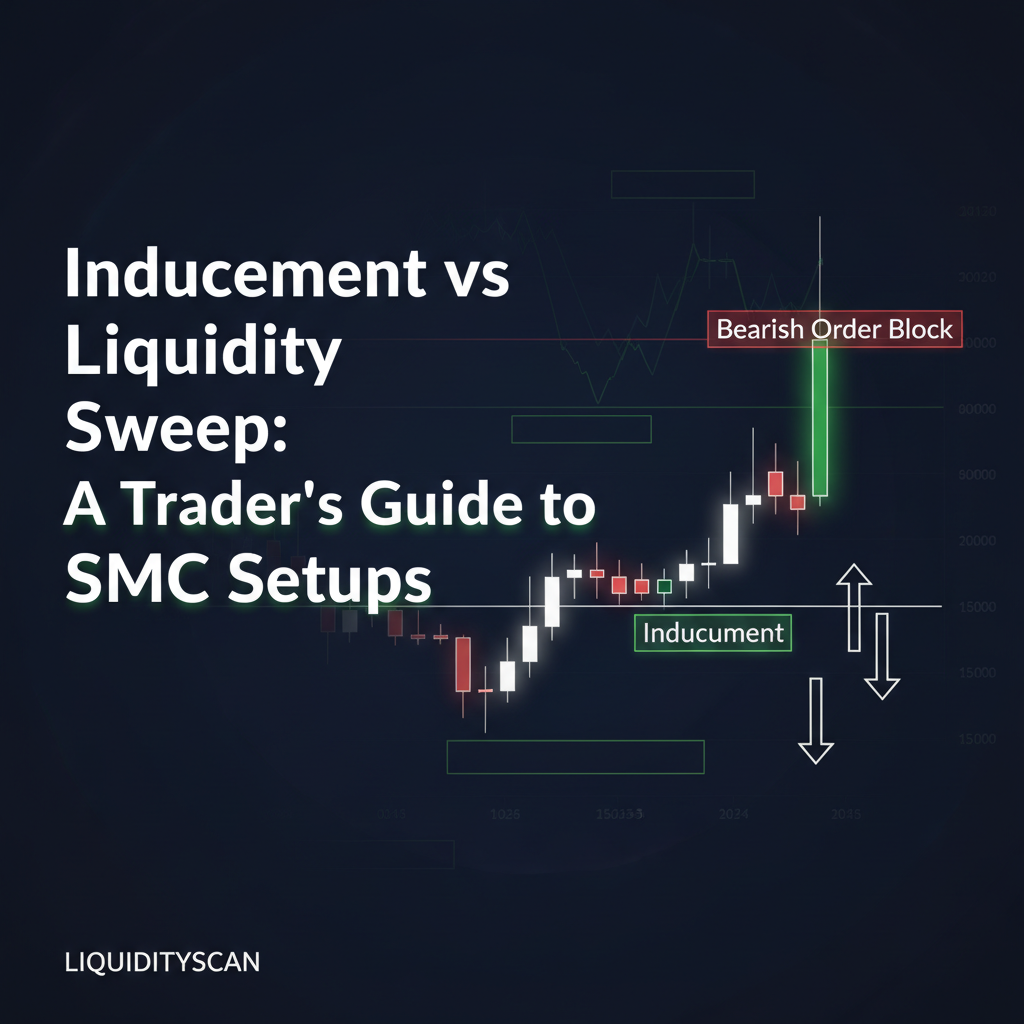
Stop Getting Swept: The Real Difference Between Inducement & Sweeps
In Smart Money Concepts (SMC), inducement is a small, often obvious price structure designed to bait retail traders into premature positions, thereby engineering liquidity. A liquidity sweep is the subsequent, sharp price move that targets and captures this engineered liquidity by running the stops
 Hayk Muradian·
·7 min
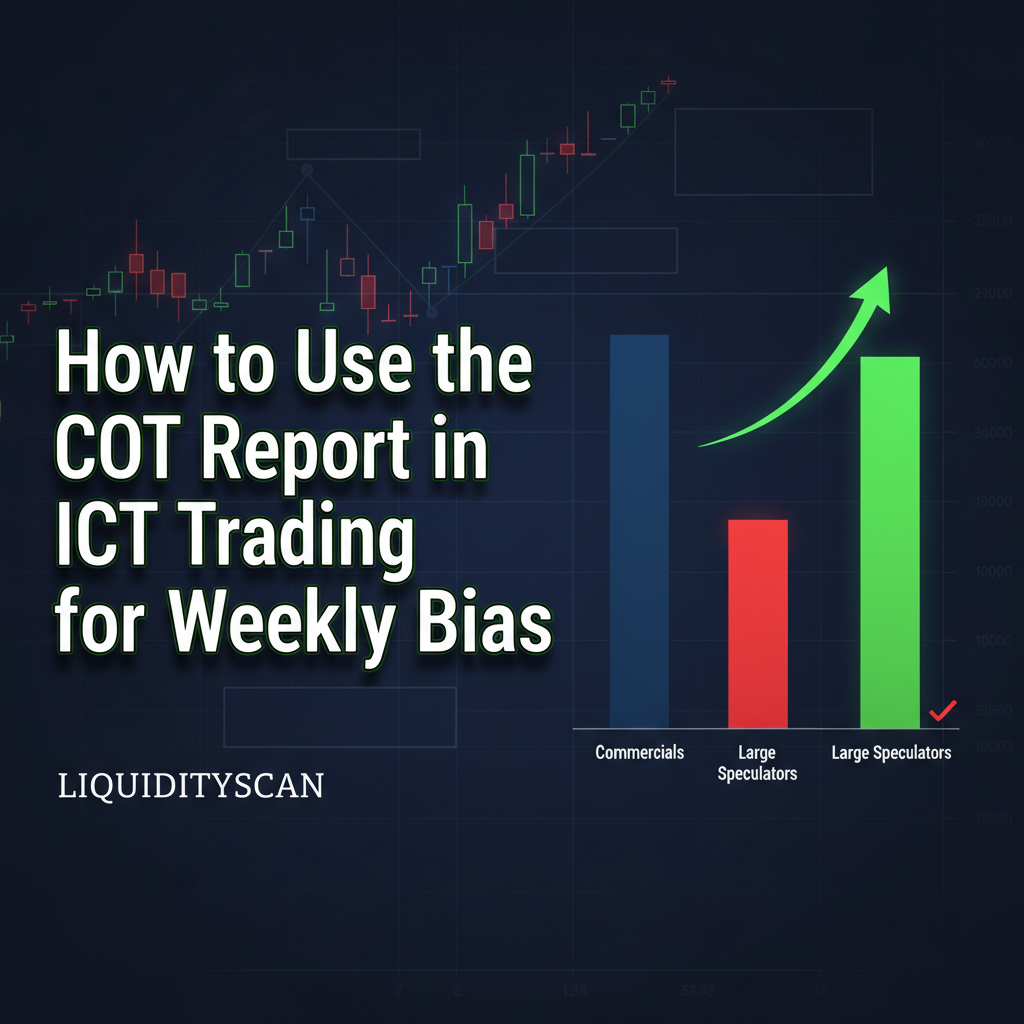
How to Use the COT Report in ICT Trading for Weekly Bias
ICT traders use the Commitment of Traders (COT) report to establish a high-timeframe weekly bias by analyzing the net positions of Commercials and Large Speculators, aligning this institutional sentiment with prevailing market structure to anticipate the week's likely expansion direction.
Hayk Muradian·
·8 min
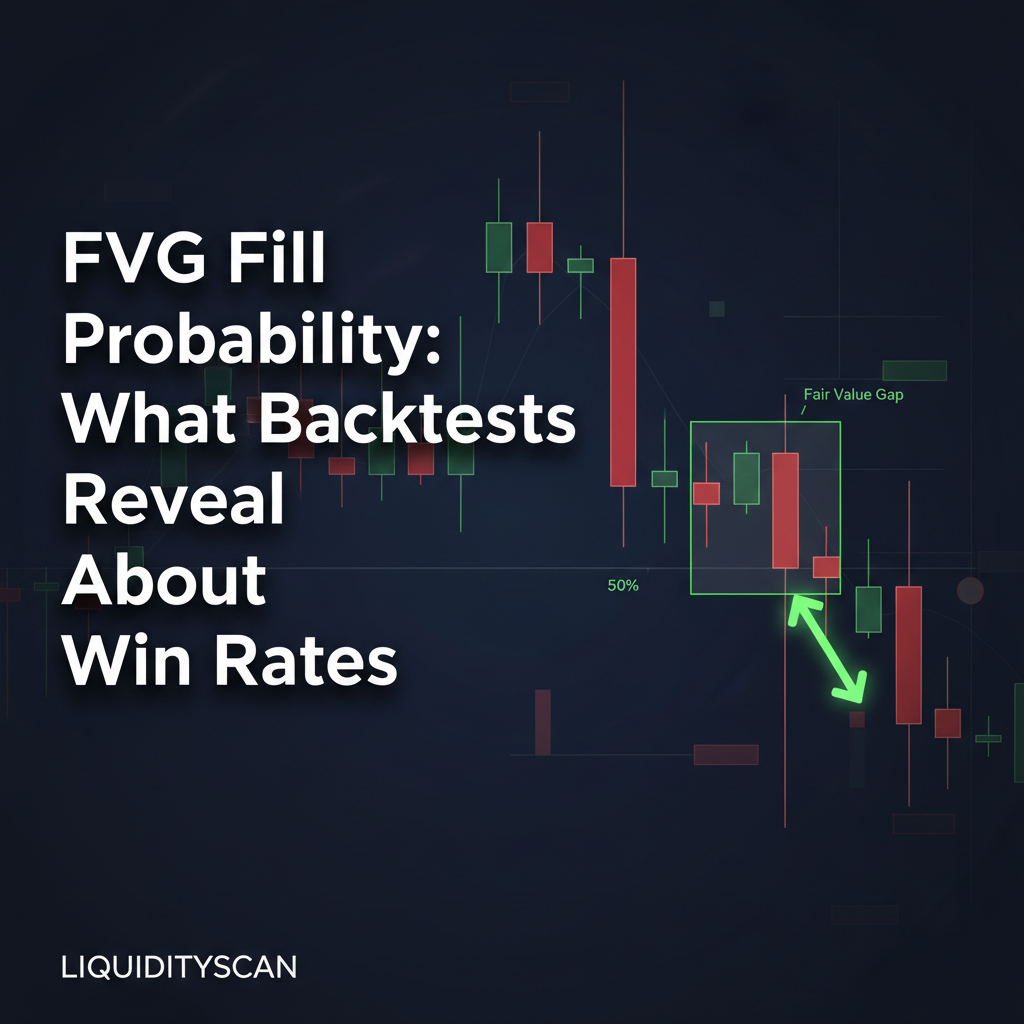
FVG Fill Probability: What Backtests Reveal About Win Rates
The fill probability of a Fair Value Gap (FVG) isn't fixed. Backtests show it's typically 40% to 60% for high-confluence setups, depending on market structure, timeframe, and liquidity.
Hayk Muradian·
·7 min

ICT Price Action vs. Footprint Charts: A Trader's Guide
ICT reads the imprint institutions leave on price; footprint charts show the raw execution behind it. Here is how intermediate traders combine both.
Hayk Muradian·
·6 min
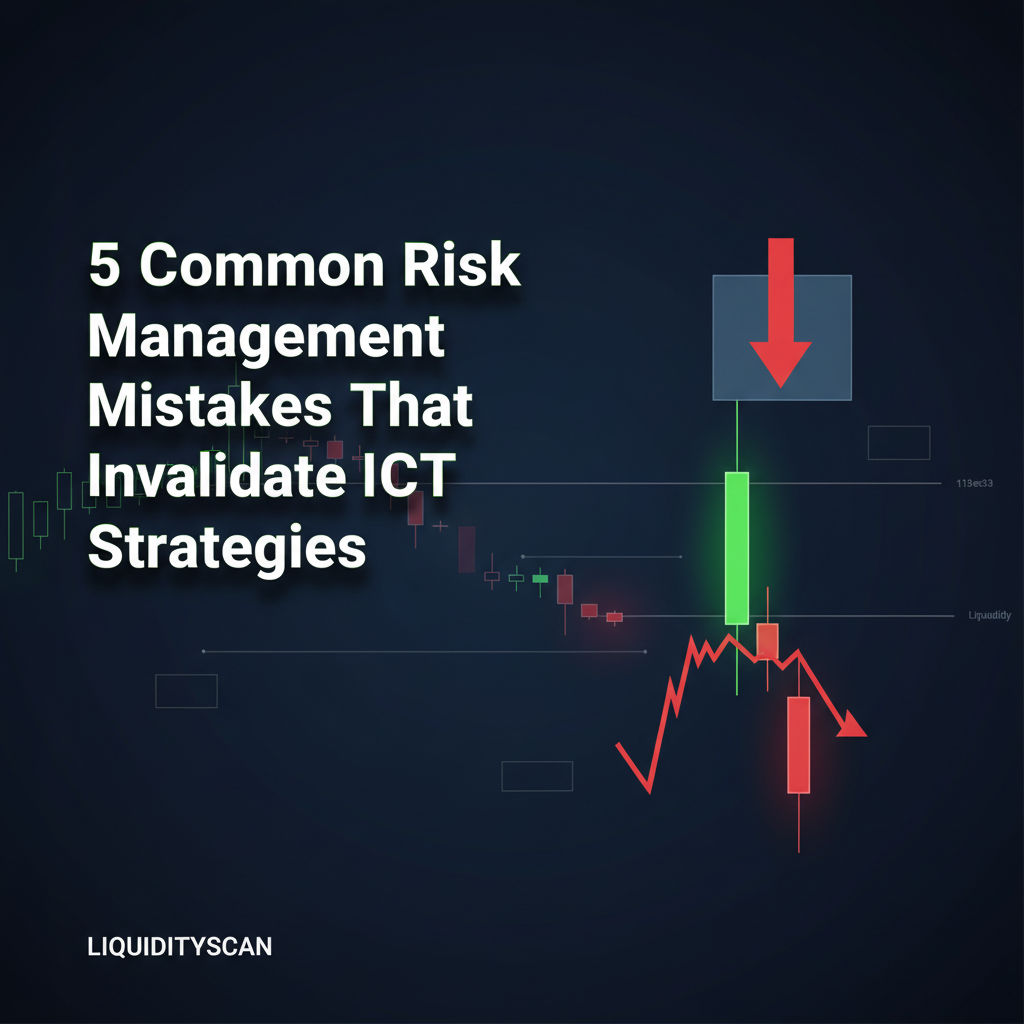
5 Common Risk Management Mistakes That Invalidate ICT Strategies
Your ICT analysis can be flawless and still lose money. These five risk management mistakes break the logic of valid setups before the move even starts.
Hayk Muradian·
·7 min

How to Build a Complete ICT Trading Model (Step-by-Step)
A step-by-step framework for turning ICT concepts into one repeatable, backtestable trading model — bias, liquidity, entry, risk, and review.
Hayk Muradian·
·8 min
Using Order Flow Tools (Bookmap/Footprint) to Confirm ICT POIs
ICT structure tells you where price should react; order flow tells you when institutions are actually defending the level. Here is the confluence-stacking workflow to validate your POIs with Bookmap and footprint charts.
Hayk Muradian·
·7 min

How to Use CFTC Data to Establish a Weekly ICT Bias
A step-by-step guide to turning the weekly CFTC Commitment of Traders report into a directional ICT bias — and why you still need a real-time read of order flow.
Hayk Muradian·
·6 min

Change of Character (CHoCH): Spotting Early Reversals
A Change of Character is the first structural clue that institutional order flow is reversing. Here is how to identify it, separate it from a BOS, and trade it.
Hayk Muradian·
·5 min
Buy-Side vs Sell-Side Liquidity (BSL/SSL) Identification
A step-by-step framework for intermediate SMC traders to precisely identify and chart buy-side and sell-side liquidity — and tell high-probability targets from simple structure.
Hayk Muradian·
·6 min
ICT Risk Management Framework
A multi-layered, institutional-grade system for capital preservation in ICT and SMC trading, from per-trade risk to weekly account exposure.
Hayk Muradian·
·5 min
ICT Weekly Profiles Explained: Daily Behavioral Templates
A concise, institutional-grade definition of ICT Weekly Profiles — the day-by-day behavioral template intermediate traders use to anchor directional bias.
Hayk Muradian·
·5 min

Silver Bullet Strategy: Complete Checklist & Examples
A step-by-step, executable checklist for the ICT Silver Bullet model — the precise time window, sweep, displacement and FVG entry that define a valid setup.
Hayk Muradian·
·7 min
Step-by-Step Entry Criteria for the 2024 Model
A strict, procedural execution manual for the ICT 2024 Model — the precise sequence of time, liquidity sweep, market structure shift, and fair value gap entry that defines a valid trade.
Hayk Muradian·
·6 min

Daily/Weekly Bias Determination & Trade Journaling
Treat bias as a testable hypothesis, not a one-time prediction. Here is a repeatable framework to determine your daily and weekly ICT bias — and journal it so the market corrects you.
Hayk Muradian·
·6 min
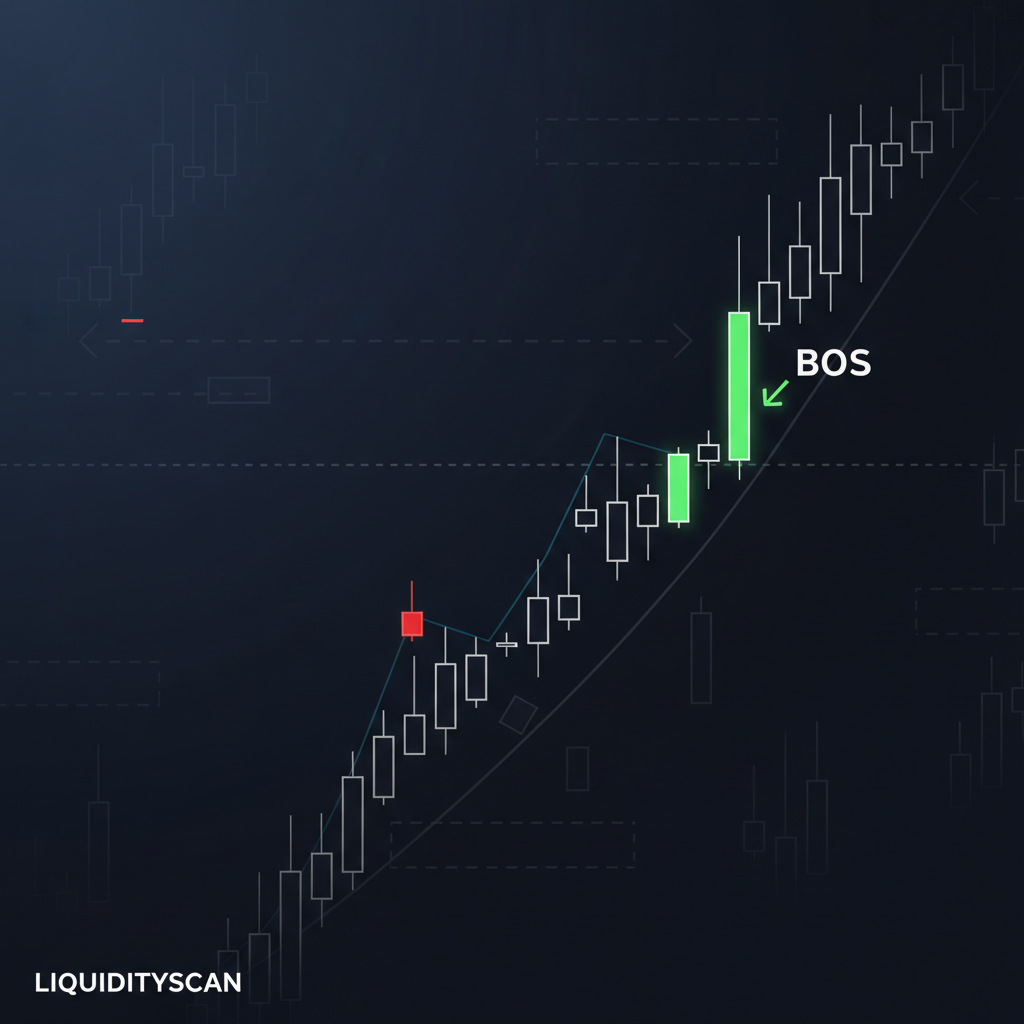
Stop Getting Faked Out: The Real Break of Structure (BOS)
A Break of Structure (BOS) is a core Smart Money Concept (SMC) that confirms the continuation of the current market trend. It occurs when price decisively breaks and closes with a full candle body beyond a prior structural point—a swing high in an uptrend or a swing low in a downtrend.
Hayk Muradian·
·6 min
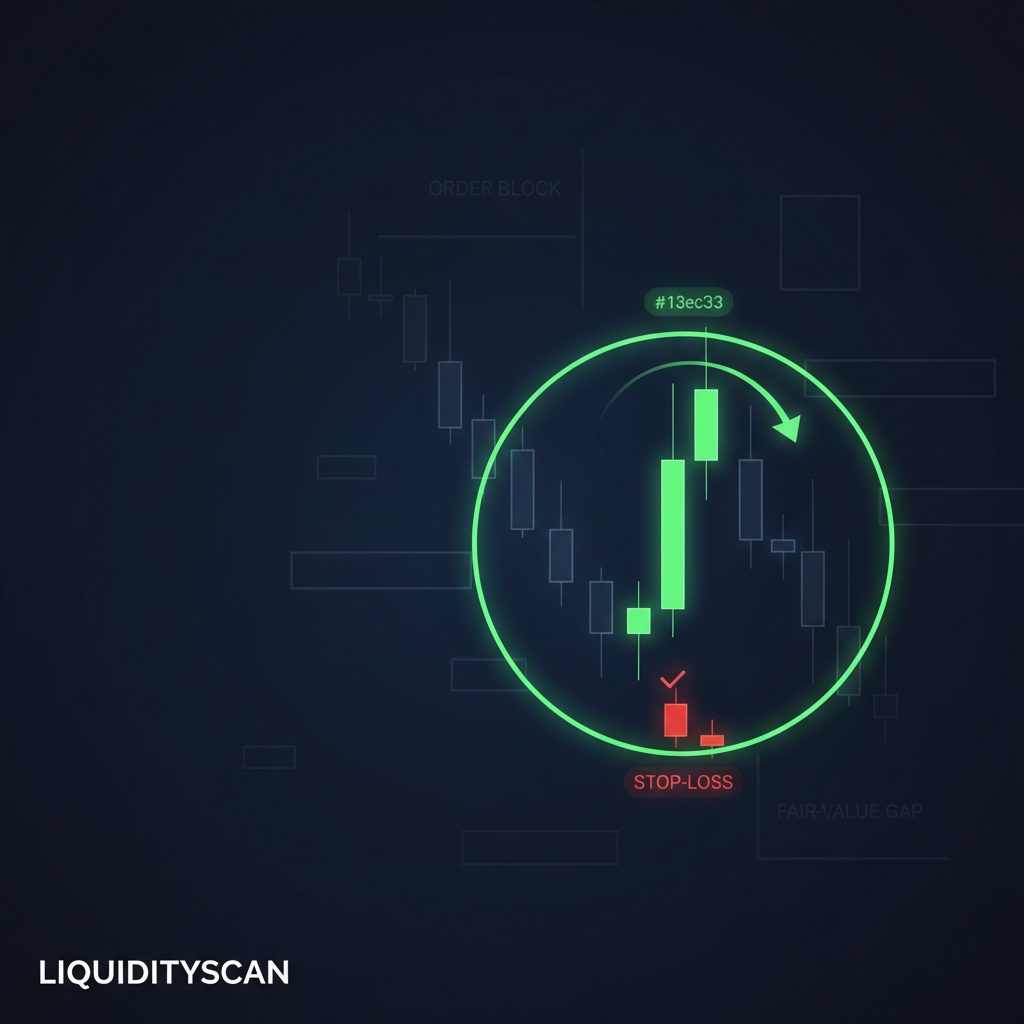
What Is CISD in ICT Trading? (Change in Delivery)
CISD — Change in State of Delivery — is the candle-close-confirmed flip in the direction price is being delivered. Here's how to spot a bullish or bearish CISD, grade it with displacement, and trade the shift after a liquidity sweep.
Hayk Muradian·
·12 min
The Definitive Guide to ICT Trading (Inner Circle Trader)
The Definitive Guide to ICT Trading (Inner Circle Trader)
Hayk Muradian·
·21 min

Advanced ICT Trading Models & Strategies for 2026
ICT trading isn't a signal service; it's a complete paradigm for reading algorithmic price delivery. This guide moves beyond YouTube hype to build a professional framework.
Hayk Muradian·
·23 min
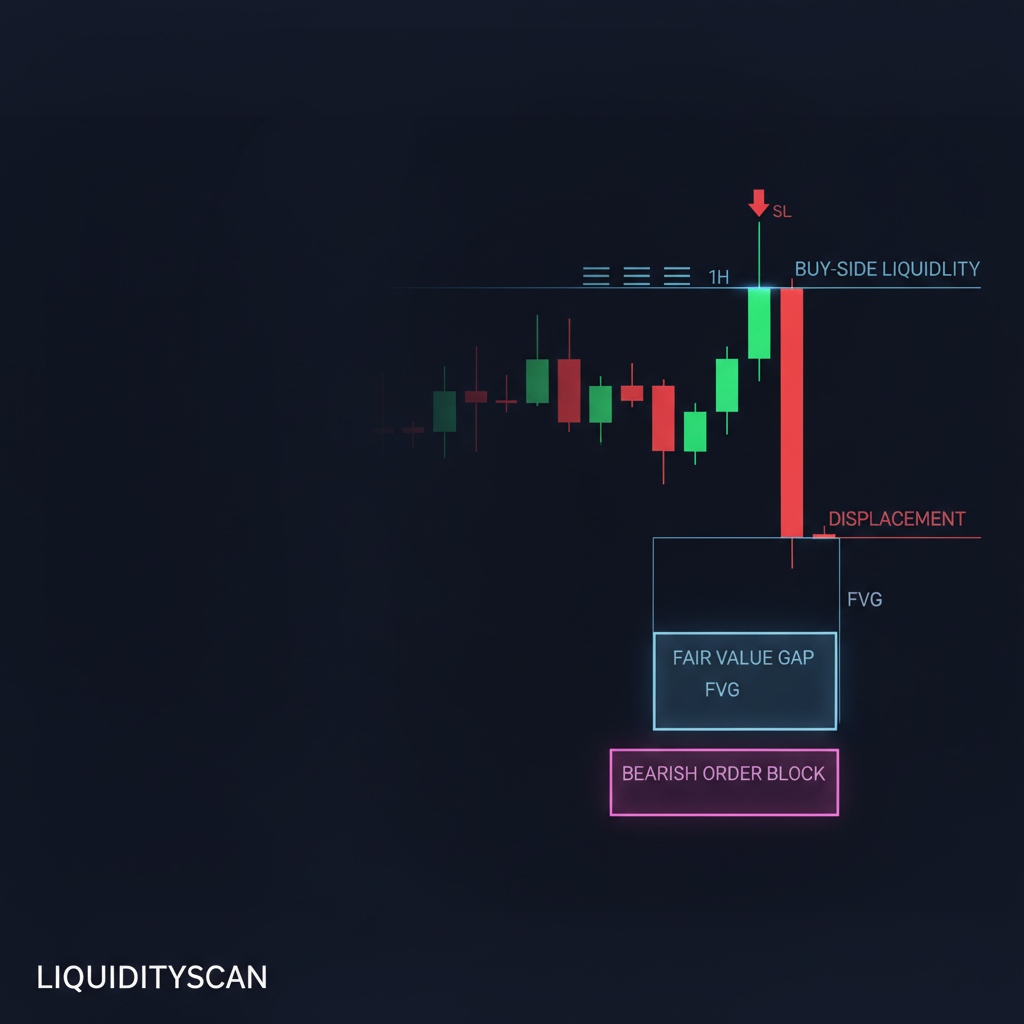
What Are Smart Money Concepts? A Trader's Guide to Order Flow
Smart Money Concepts (SMC) are not a strategy, but a paradigm for reading price. It's a framework built on the premise that markets are driven by institutional algorithms seeking liquidity.
Hayk Muradian·
·4 min
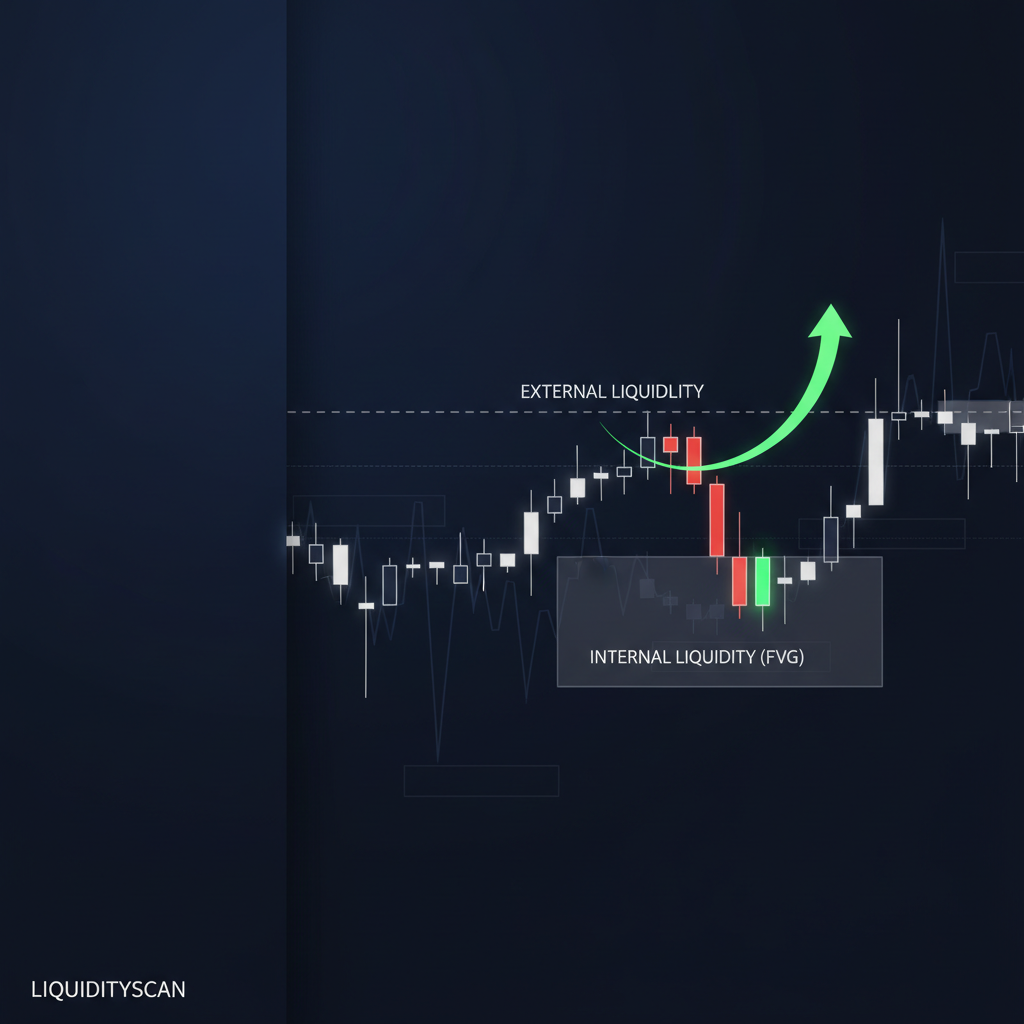
Mapping Internal & External Liquidity in Smart Money Concepts
External liquidity is the target (old highs/lows). Internal liquidity is the reason for a pullback (FVGs, order blocks). Understanding the interplay between them is the key to reading the market's narrative and framing high-probability SMC trades.
Hayk Muradian·
·6 min
Do Order Blocks Still Work? A Data-Driven Framework for 2026
Yes, order blocks still work. But the question itself is flawed. Isolated patterns fail constantly. Success depends on a rigorous framework of context: liquidity sweeps, displacement, and higher-timeframe narrative. Here's how to qualify them.
Hayk Muradian·
·6 min

What is LiquidityScan?
LiquidityScan is a trading intelligence platform built for professional ICT and Smart Money Concepts traders. It automates the detection of institutional order flow patterns across hundreds of markets, providing data-driven context for discretionary decision-making.
Hayk Muradian·
·4 min
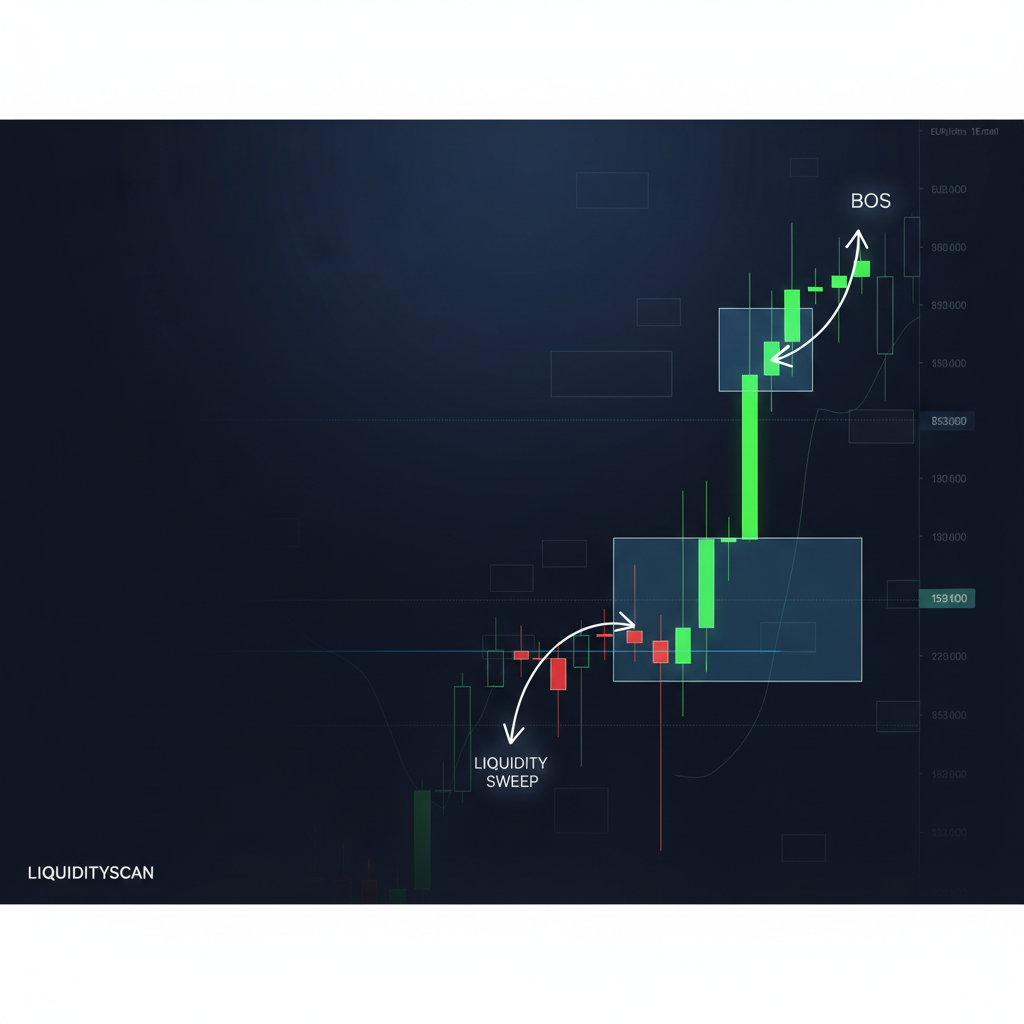
Stop Getting Trapped: Master the Judas Swing & Turtle Soup
The Judas Swing isn't a competitor to the Turtle Soup; it's the engine that powers it. This institutional guide breaks down how the time-based session open manipulation (Judas Swing) sets up the classic price-based reversal entry model (Turtle Soup).
Hayk Muradian·
·6 min

Don't Trade Another Session Until You Read This ICT Kill Zones Guide
Stop guessing at session tops and bottoms. This is the institutional trader's complete guide to ICT Kill Zones, deconstructing the exact time-based algorithms that deliver price.
Hayk Muradian·
·18 min
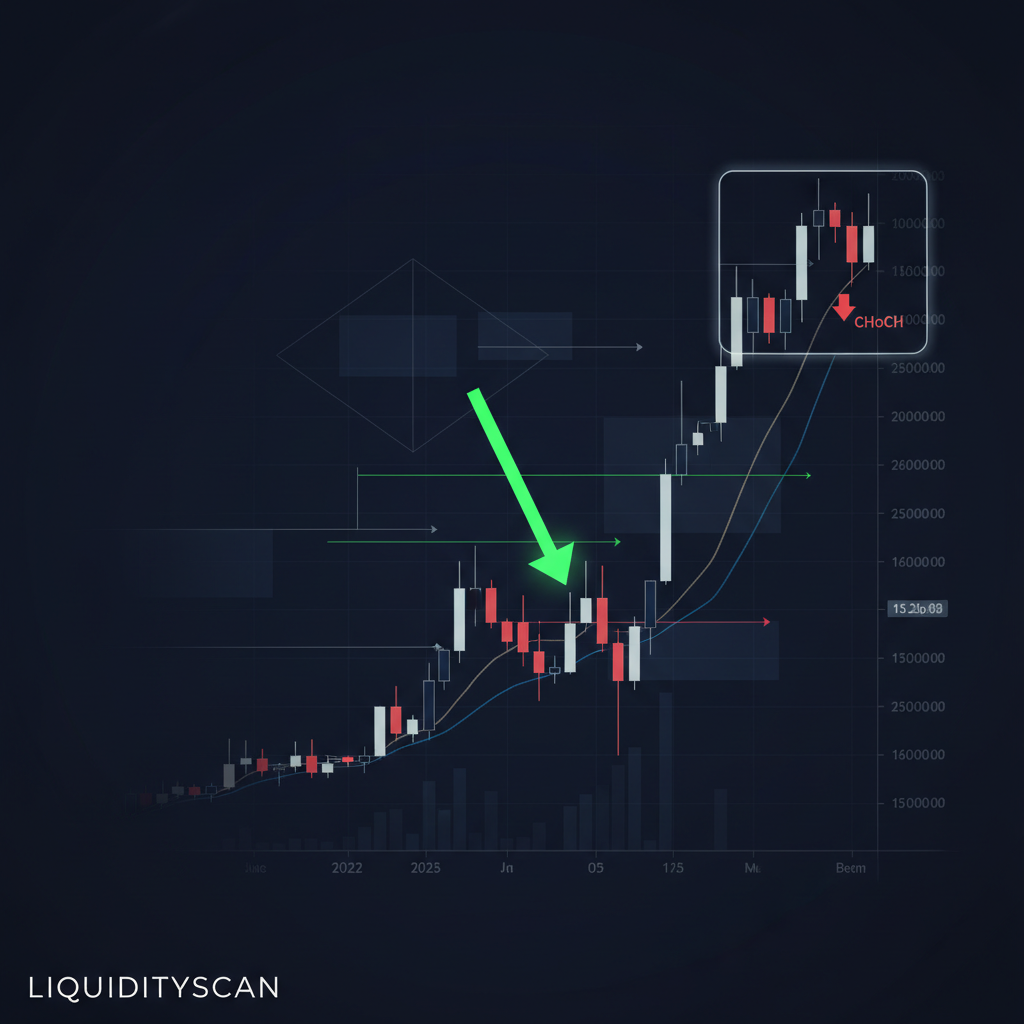
Validating FVG with Order Flow: A Professional's Guide
Not all Fair Value Gaps are created equal. The difference between a high-probability reversal and a trap lies in the order flow. Here’s how to validate an FVG by reading the tape, not just the pattern.
Hayk Muradian·
·6 min
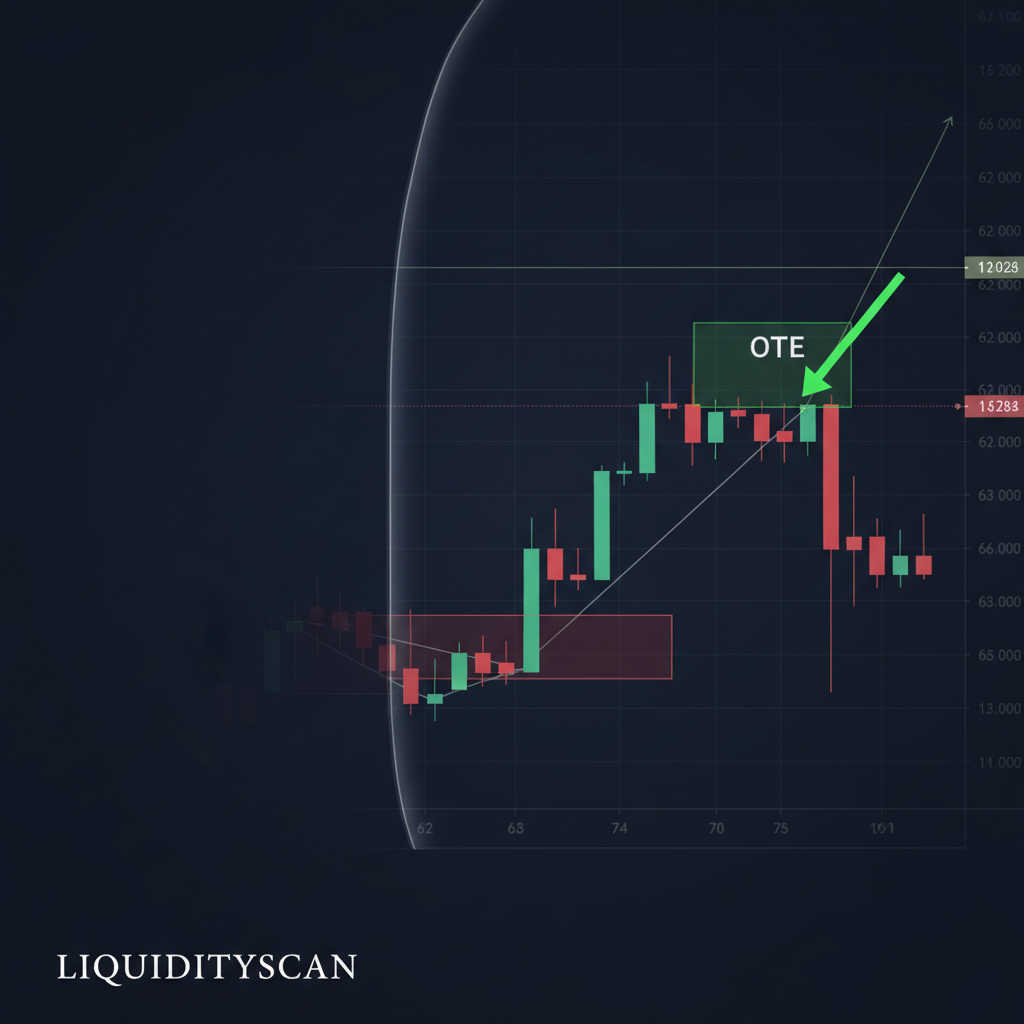
OTE Optimal Trade Entry: The Institutional Model vs. Retail Fibs
The Optimal Trade Entry isn't just a set of Fibonacci levels. It's a systematic model for engaging with price after a significant displacement. We'll dissect how OTE differs from standard retail Fibs and how to apply it with institutional context.
Hayk Muradian·
·5 min

Is the Forex Market Manipulated? The Institutional View
The forex market isn't manipulated in the way most retail traders think. It’s engineered. Price is delivered by a complex algorithm with a clear purpose: to seek liquidity and rebalance inefficiencies. Understanding this logic is the key to trading with institutional order flow, not against it.
Hayk Muradian·
·6 min
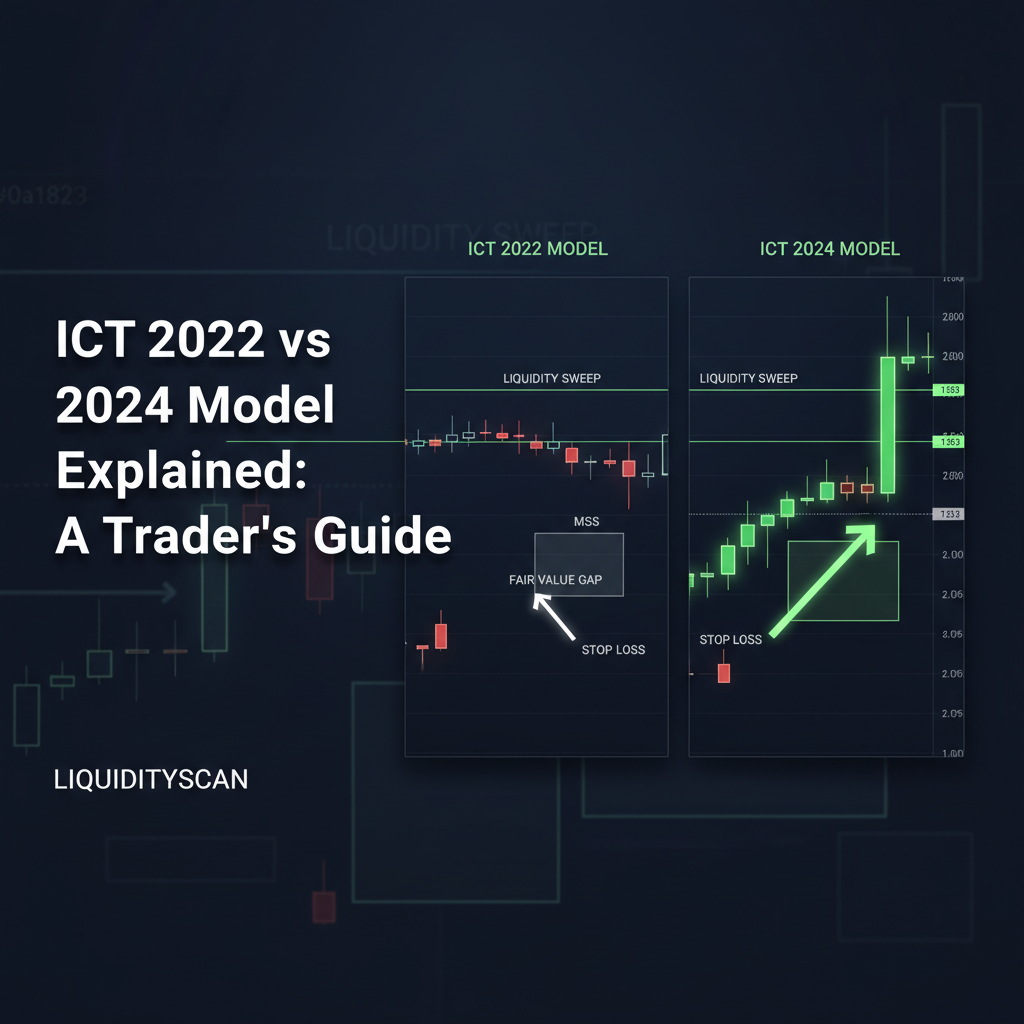
Is the ICT 2024 Model Better Than the 2022? A Technical Analysis
The ICT 2024 model is not a replacement but a refinement of the 2022 model, demanding a significant displacement leg post-liquidity sweep for a higher-probability entry.
Hayk Muradian·
·5 min

ICT Silver Bullet 10am vs 3am: A Data-Driven Comparison
The 10 AM and 3 AM Silver Bullet setups are not interchangeable. One hunts Asian session liquidity, the other reacts to the New York open's volatility. Understanding the difference is key to consistent execution.
Hayk Muradian·
·6 min
ICT Weekly Profile Breakdown: A Blueprint for Institutional Flow
ICT Weekly Profile Breakdown: A Blueprint for Institutional Flow
Hayk Muradian·
·5 min
ICT Silver Bullet: 10am vs 3am Session Differences Explained
ICT Silver Bullet: 10am vs 3am Session Differences Explained
Hayk Muradian·
·6 min
The ICT Trading Journal Template Pros Use to Build Edge
The ICT Trading Journal Template Pros Use to Build Edge
Hayk Muradian·
·6 min

A Practical ICT Trading Model for Part-Time Traders
A Practical ICT Trading Model for Part-Time Traders
Hayk Muradian·
·6 min

FVG Entry Strategy: A Precision Guide for ICT Traders
FVG Entry Strategy: A Precision Guide for ICT Traders
Hayk Muradian·
·6 min

A Precise New York AM Kill Zone Strategy for ICT Traders
A Precise New York AM Kill Zone Strategy for ICT Traders
Hayk Muradian·
·5 min

PD Array ICT Explained: A Trader's Guide to Premium & Discount
PD Array ICT Explained: A Trader's Guide to Premium & Discount
Hayk Muradian·
·6 min

What Is an Order Block?
What Is an Order Block?
Hayk Muradian·
·5 min
BOS vs. CHoCH: The Definitive Guide for SMC Traders
BOS vs. CHoCH: The Definitive Guide for SMC Traders
Hayk Muradian·
·5 min

The Ultimate ICT Trading Strategy Framework for Professionals
The Ultimate ICT Trading Strategy Framework for Professionals
Hayk Muradian·
·19 min
What is SMT Divergence in ICT Trading?
What is SMT Divergence in ICT Trading?
Hayk Muradian·
·5 min
The London Open Kill Zone Strategy: A Procedural Guide
The London Open Kill Zone Strategy: A Procedural Guide
Hayk Muradian·
·6 min

The Institutional SMC Stop Loss and Take Profit Strategy
The Institutional SMC Stop Loss and Take Profit Strategy
Hayk Muradian·
·6 min
The Ultimate Guide to DST Kill Zone Adjustments for ICT Traders
The Ultimate Guide to DST Kill Zone Adjustments for ICT Traders
Hayk Muradian·
·4 min

The Core Order Block Validation Rule for SMC Traders
The Core Order Block Validation Rule for SMC Traders
Hayk Muradian·
·5 min

What Is a Fair Value Gap (FVG)?
What Is a Fair Value Gap (FVG)?
Hayk Muradian·
·4 min

What Is a Liquidity Sweep?
What Is a Liquidity Sweep?
Hayk Muradian·
·4 min

ICT Macro Times: A Deep Dive into the 20-Minute Windows
ICT Macro Times: A Deep Dive into the 20-Minute Windows
Hayk Muradian·
·6 min

Mitigation Block vs Breaker Block: The One Difference That Matters
Mitigation Block vs Breaker Block: The One Difference That Matters
Hayk Muradian·
·5 min

London vs NY Liquidity Sweeps: Which Session Drives the Real Move?
London vs NY Liquidity Sweeps: Which Session Drives the Real Move?
Hayk Muradian·
·6 min

What Is Market Structure in ICT?
What Is Market Structure in ICT?
Hayk Muradian·
·4 min
Order Blocks SMC Framework: An Institutional Guide
Order Blocks SMC Framework: An Institutional Guide
Hayk Muradian·
·21 min

How to Find Your Edge in ICT Trading: A Framework for Specialization
How to Find Your Edge in ICT Trading: A Framework for Specialization
Hayk Muradian·
·7 min

The ICT Market Structure Framework: Complete Guide
Market structure is the foundation every ICT setup is built on. This is the complete framework for reading it the way institutions deliver price.
Hayk Muradian·
·13 min
Not trading advice. LiquidityScan publishes educational content for informational purposes only. Trading involves substantial risk of loss.